LA has a tango scene that quietly thrives beneath the city's louder obsessions. It's warm, welcoming, and more accessible than you might expect. From Silver Lake to Santa Monica, experienced instructors and dedicated dance communities have been keeping the tradition alive and growing for decades.
Whether you've never set foot on a dance floor or you once took a few lessons and let life get in the way, there's a genuine place for you here. This guide will walk you through what to expect, how to start, and how to find the right fit for your schedule, budget, and comfort level - so you can stop watching from the sidelines and actually start dancing.
The Surprising History Behind the Dance You're About to Learn
Argentine Tango started in the working-class neighborhoods of Buenos Aires in the late 1800s - it grew out of a combination of African rhythms, European music and the sounds brought over by immigrants from Italy and Spain - it was raw, emotional and very much a street-level thing before it became the refined dance you'll find in studios across Los Angeles.
The dance made its way to Paris in the 1920s and 30s and that's where everything changed. Parisian high society embraced it, which gave it a cultural stamp of approval that spread the dance across Europe and eventually to North America. By the 1940s, tango had hit its peak popularity in Argentina, with large dance halls called milongas packed every weekend.
Then it faded. Political unrest in Argentina during the mid-20th century made large public gatherings difficult and tango went quiet for decades - it survived mostly in small, private settings before a widespread revival in the 1980s brought it back to stages and social dance floors worldwide.
Why does any of this matter to you as a beginner in LA? Tango carries that whole history in the way it's danced. The close embrace, the pauses, the way two people have to listen to each other through movement - none of that's random - it developed out of human circumstances and you feel that when you dance it.
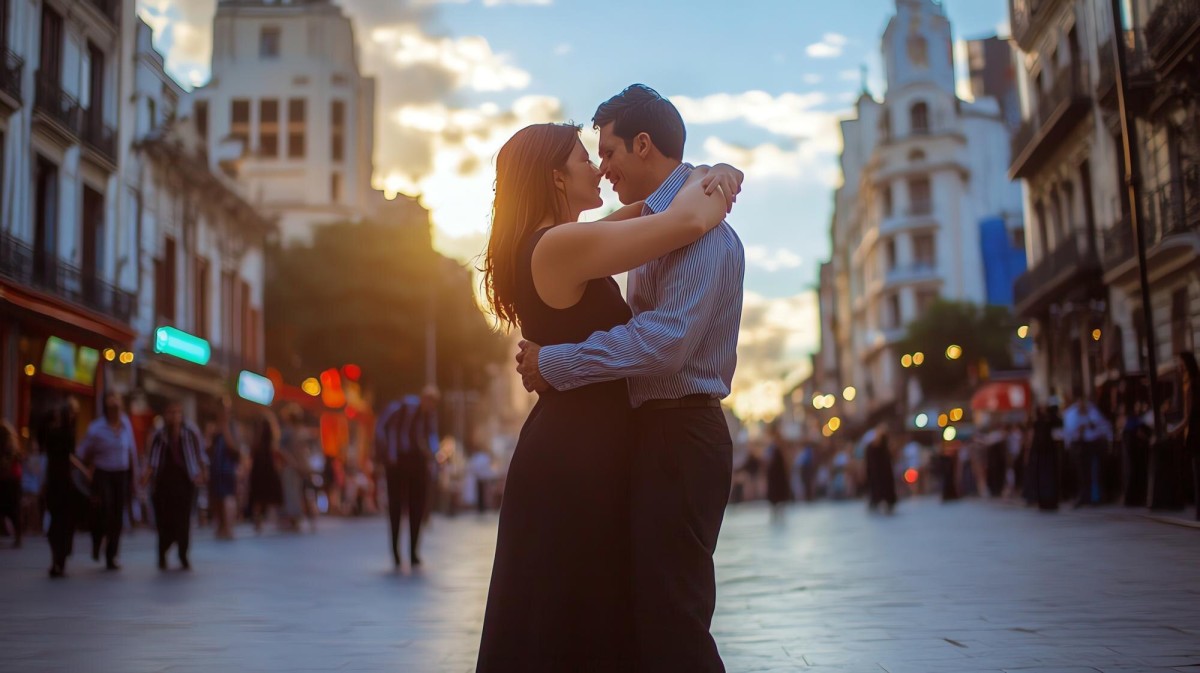
Los Angeles has one of the most active tango communities in the United States; it's partly because of the city's large Latin American population and partly because LA has always attracted people who want to express something. When you walk into a tango class here, you're joining a thread that runs from Buenos Aires in the 1880s all the way to a studio on Wilshire or a milonga in Silver Lake.
That connection to something bigger is part of what draws people back to tango long after their first class. Tango is a living tradition and something more than exercise or a date-night activity - it has crossed oceans and outlasted entire eras of history; it's worth learning about before you lace up your shoes.
What to Actually Expect in Your First Tango Class
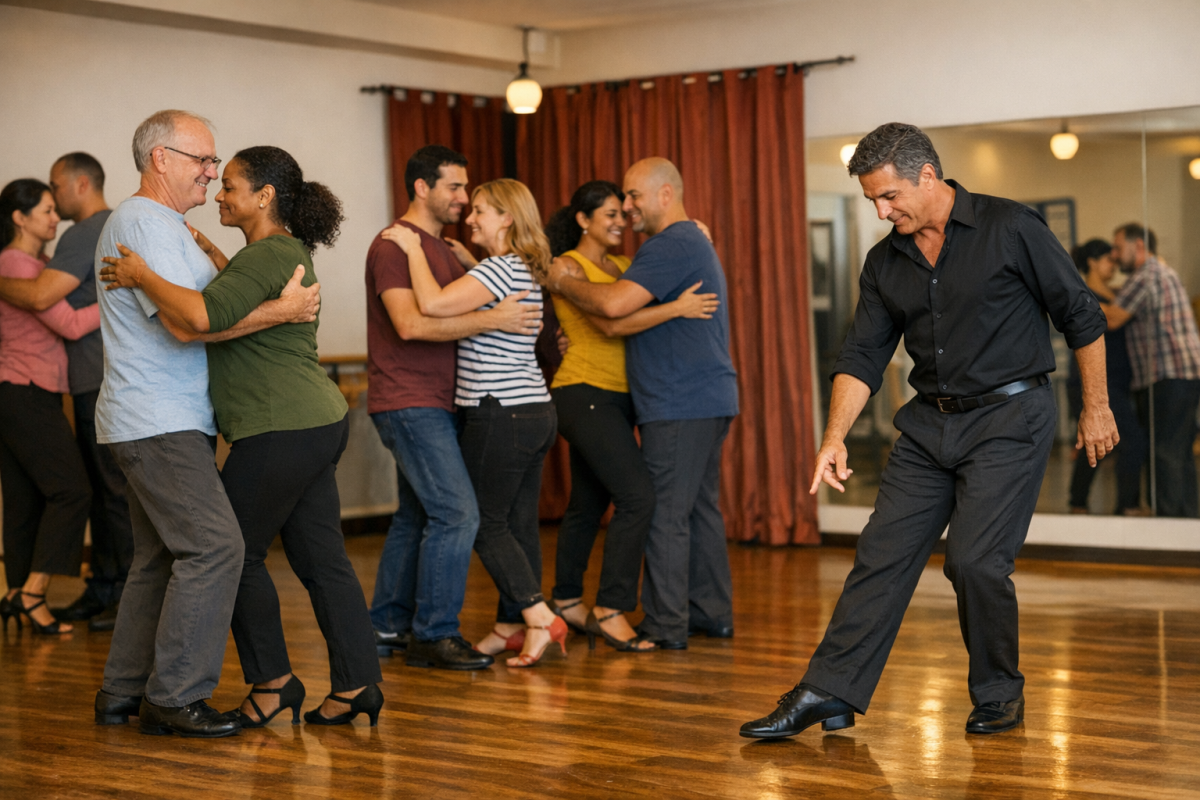
In your first class, you'll probably see that no one looks like they have it all figured out either. Beginner tango classes are full of people starting from zero, and that's by design. The instructor is not expecting polished moves - they are expecting questions, laughter, and a little stumbling around.
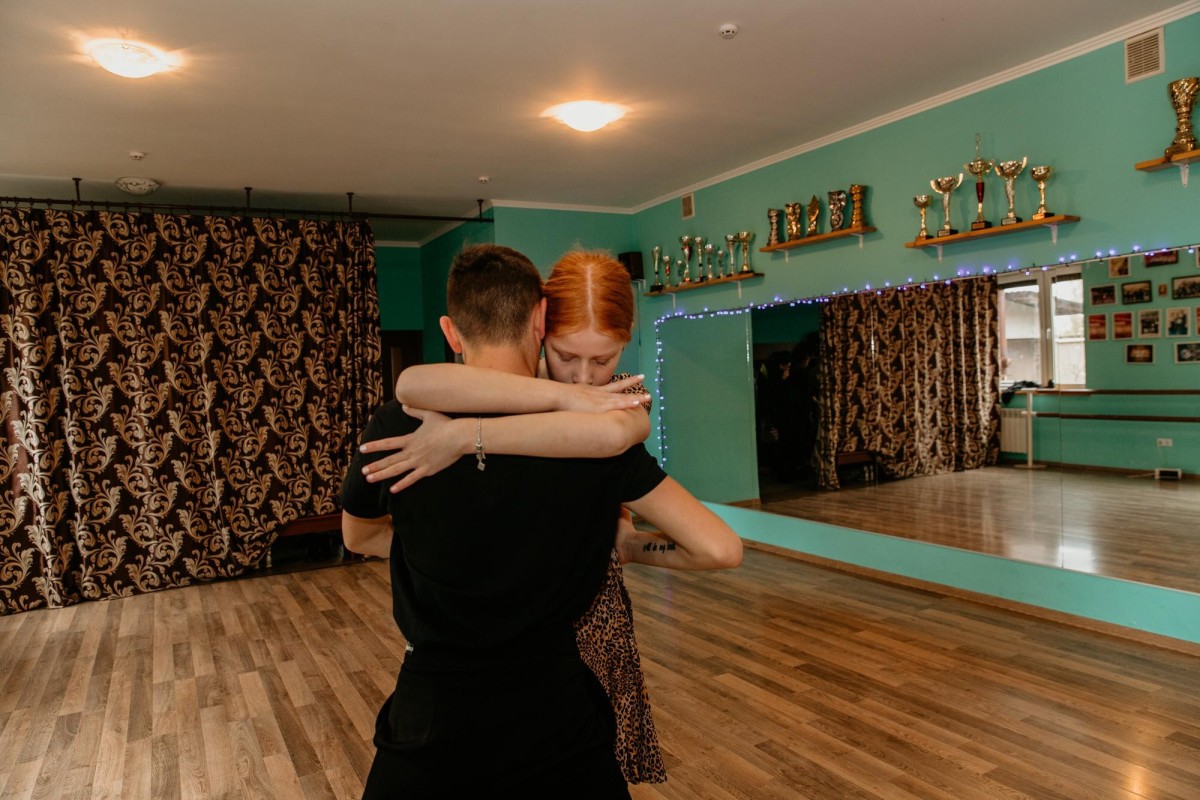
Most beginner classes follow a predictable structure. You will start with basic footwork, usually just walking in a straight line with intention and weight. From there, the instructor will introduce the embrace - the way you and your partner hold each other to communicate movement. It sounds easy, but the embrace is one of the harder things to get right, and that's fine on day one.
Partner rotations are a staple of group tango classes, and they are worth mentioning because they make some people uncomfortable. You will change partners every few minutes so everyone gets to practice with someone different. It's not a social thing - it's helpful. Dancing with different partners teaches you to lead or follow more effectively, because every person feels slightly different.
The awkward feeling is not a sign that tango is not for you. The embrace is closer than most people are used to with strangers, and the communication between partners is subtle - it takes a few classes before your body starts to know what is being asked of it. If you want to see what the dance looks like in action, browse the gallery to get a sense of what you're working toward.
What to Bring and Wear
For your first class, you don't need anything special. Wear something comfortable that lets you move freely, and bring a small water bottle. The one thing that does matter is your shoes.
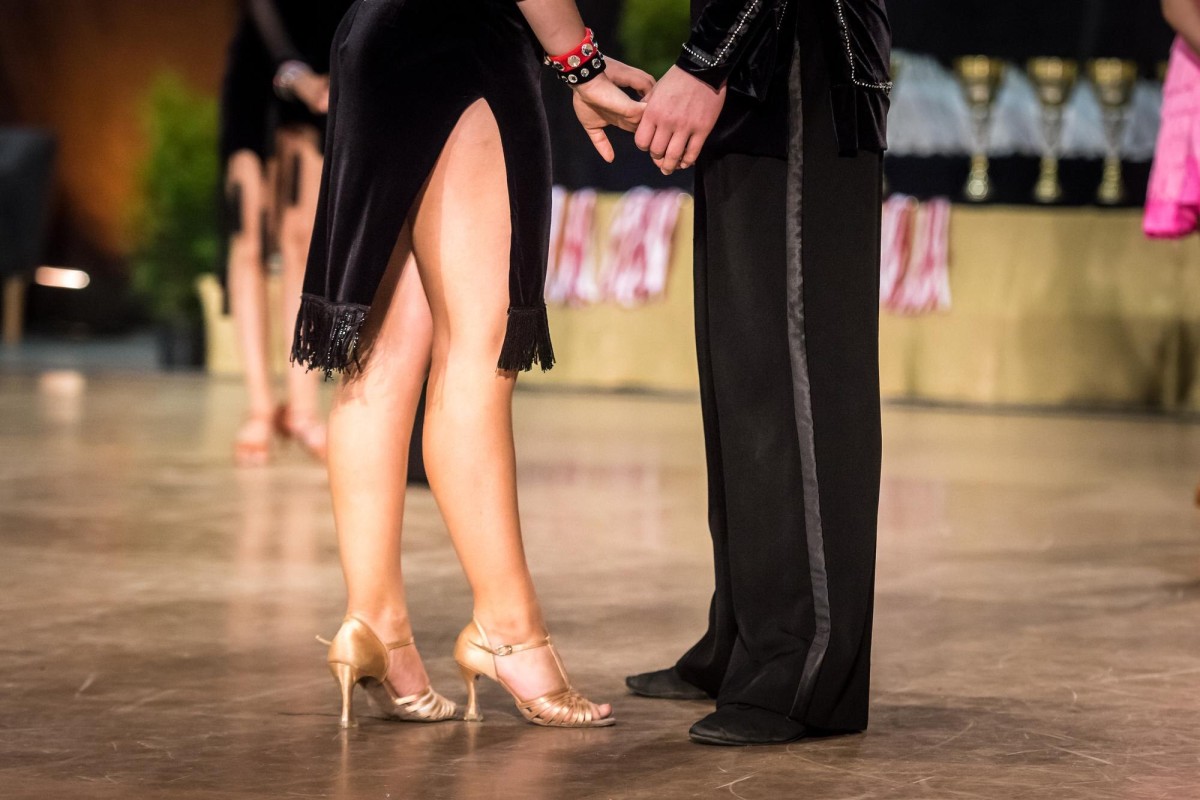
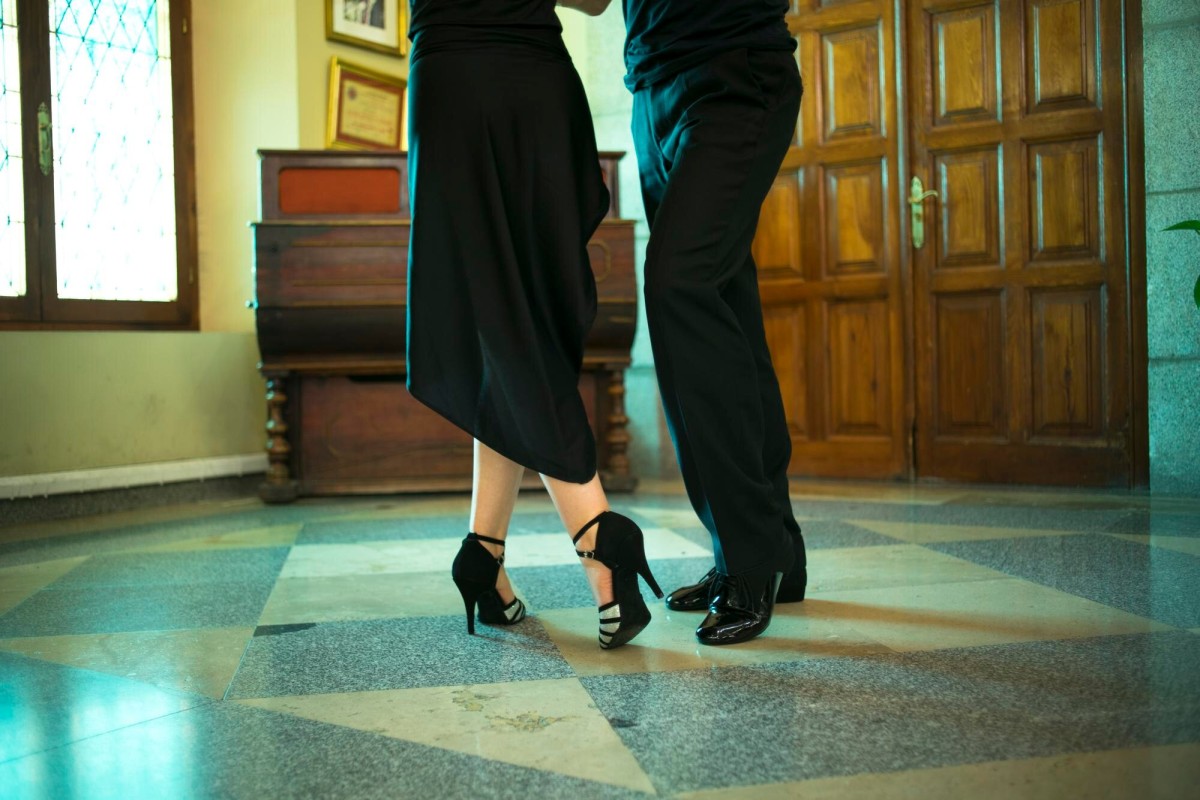
Leather-soled shoes or socks work fine to start. Tango shoes - with their suede soles and ankle straps - are designed for this dance specifically. But you don't need to buy a pair immediately. Wait until you are sure you are going to stick with it.
Red Flags in a Beginner Class
A well-run beginner class moves at a pace where no one feels lost for long. If an instructor rushes through technique without checking that students have understood, that's a problem. You should also feel physically comfortable at all times - a good teacher will remind students to respect each other's space and boundaries throughout the class.
Studios in Los Angeles Where You Can Start Learning Tango
Los Angeles has a tango scene, and a handful of studios look great for being beginner-friendly. Three worth learning about are 3rd Street Dance near the Beverly Center and SOHO Dance LA in Westwood.
3rd Street Dance runs more than 18 classes per week across different styles and levels. That volume means you can fit tango into almost any schedule, and you won't have to wait long between sessions to keep your momentum going. They run group classes and workshops, so there's room to grow as you get more comfortable.
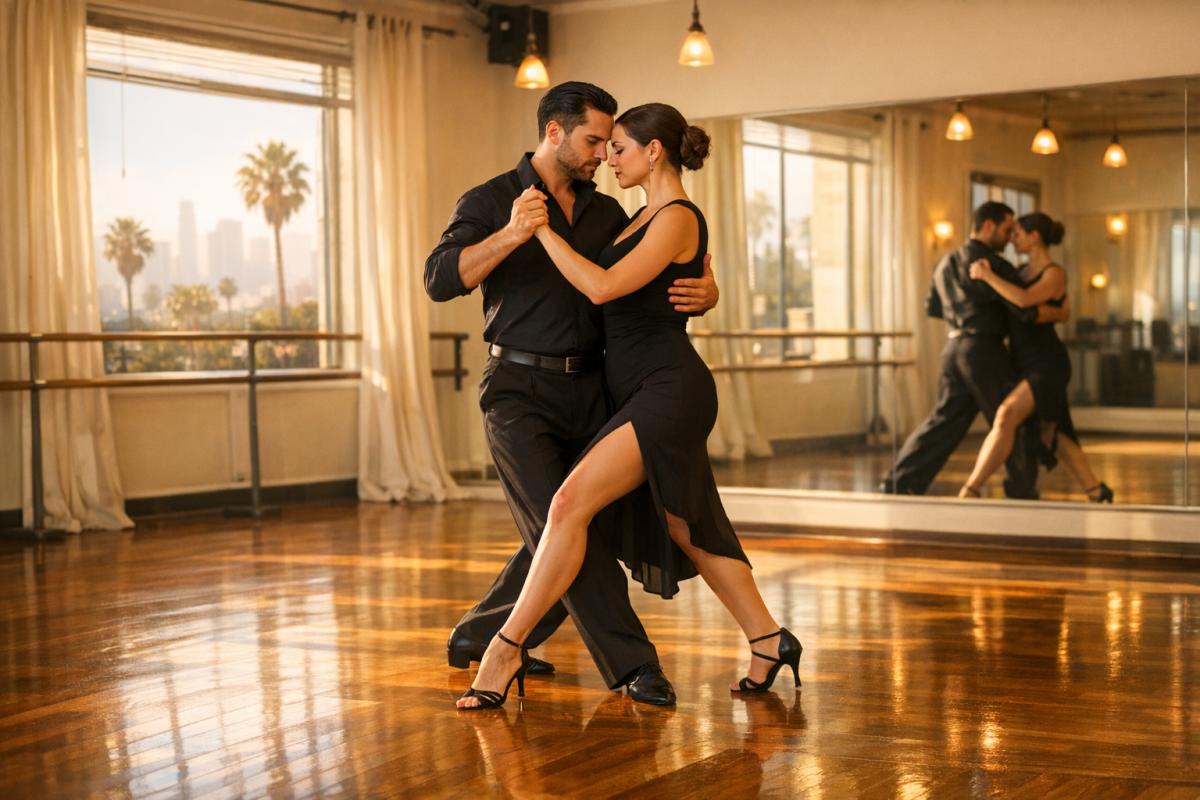
By Your Side Dance Studio is led by Jordi Caballero, who co-starred in the 2007 film Valentina's Tango. He teaches private and group classes, which gives you flexibility depending on how you learn best. If you want more one-on-one attention as a beginner, the private class format here is worth a deeper look.
 Rewriting with HighGround…
Each studio takes a slightly different approach, so it can depend on what learning environment fits you. Some do better in a busy studio with lots of class options, and others do well in a smaller setting with more instructor access - it's worth checking each studio's website to see their latest schedule before committing. You can also browse our tango gallery to get a feel for what the dance looks like before your first class.
How Much It Actually Costs to Learn Tango in LA
Pricing at dance studios can seem like a challenge, so it helps to look at one studio in detail. 3rd Street Dance has an easy tiered structure that works as a reference point.
If you are new, their New Student Special is worth starting with. For $99, you get two full weeks of unlimited classes. That is enough time to get a feel for tango before committing to anything longer.
After that introductory window closes, you move into a monthly membership. The Unlimited Membership runs $169 per month on a 3-month contract or $199 per month without one. The Ultimate Membership goes a step further at $199 per month with a contract or $249 per month without.
| Plan | Price (Contract) | Price (No Contract) |
|---|---|---|
| New Student Special | $99 (2 weeks) | N/A |
| Unlimited Membership | $169/month | $199/month |
| Ultimate Membership | $199/month | $249/month |
The contract versus no-contract choice can depend on how you like to learn. A contract saves you money each month and works if you'll show up. If your schedule is unpredictable or you want to test the waters first, the month-to-month option gives you the freedom to step back without any obligation.
The difference between Unlimited and Ultimate membership is mostly about access to extra class types or private session credits depending on the studio's latest offerings, so it's worth asking the front desk what is included in the upgrade.
In general, group tango classes across LA fall between $20 and $30 per drop-in session at most studios. A monthly membership usually works out cheaper if you're looking to go more than once a week. The math is easy - know your own habits.
You don't need to spend a lot to get started. The New Student Special in particular is one of the most helpful ways to walk into tango without a financial commitment from day one.
Ways to Keep Practicing Tango Outside of Class
One thing beginners forget is how much progress happens away from the studio. A weekly class builds the foundation. But the growth comes from what you do in between.
The most helpful thing you can do early on is to attend milongas. These are social tango events where dancers dance with partners they might not have met before. LA has an active milonga community, with events happening on weeknights and weekends across different neighborhoods. You don't need to be advanced to go - milongas welcome newcomers and some even include a short lesson first.
Practica sessions are another great option. A practica is an informal practice gathering where you can stop, ask questions, and repeat sequences without the pressure of a full social dance - it's open gym time for tango. These sessions are a low-stakes way to test what you've learned and get comfortable moving with different partners.
Practicing on Your Own
Solo practice is something beginners underestimate. You don't need a partner to drill footwork, work on your posture, or practice the walk. Tango has a very specific way of placing weight and moving through steps, and you can smooth out that technique on your own with a small space at home. Even ten minutes a day makes a difference over weeks.
YouTube and other video platforms have a large amount of free tango content. Channels run by Argentine tango instructors can help you break down technique visually and at your own pace. Use them as a supplement to in-person learning instead of a replacement - tango is a partner dance, and some things only click when you're actually connected to someone else.
A Few Simple Habits That Help
Record yourself practicing at home - it feels a little awkward. But seeing your own movement is one of the fastest ways to find what needs work. You can also ask a classmate to be a practice partner between lessons - even one extra session a week adds up.
Watch experienced dancers whenever you can. Attending a milonga as an observer before you feel ready to dance is fine. Watching how partners listen to each other and respond to the music teaches you things that no drill can.
Your Next Step Onto the Dance Floor
Let's look at how to take that first step this weekend:
- Pick one studio from the options covered here and check their beginner schedule online.
- Sign up for an intro class or beginner special - most are affordable and designed specifically for first-timers.
- Wear comfortable shoes with smooth soles, bring a little water, and arrive a few minutes early so you can settle in.
- Stay for the milonga or social dance afterward if one is offered - observation is learning, and the community loves seeing new faces.
The hardest part of tango isn't the footwork - it's walking through the door for the first time. Once you do, you'll wonder why you waited so long. If you have any questions about where to start, which class is a fit for you, or anything else about dancing tango in Los Angeles, we're here to help. Email us at YouCanTangoLA@gmail.com or call and text us at 310-562-9340. We'd love to help you find your footing on the dance floor.
