Argentine Tango carries within it the weight of an entire world - one built by displacement, longing, and the great human instinct to find beauty in tough circumstances. Most who fall in love with tango are surprised to learn just how layered its origins are - it did not simply appear on a stage in Buenos Aires one evening, fully formed. It grew slowly, quietly, in places that polite society preferred not to see.
The story of tango begins long before the dance became famous, and it stretches across oceans and continents. African rhythms, European immigrant traditions, and the particular restlessness of life along the Río de la Plata all had a hand in shaping what tango would eventually become. Understanding where it came from changes the way you hear it - and the way you feel it.
What follows is that story, told from the beginning.
Where the Word "Tango" Actually Comes From
The word itself tells a story. Long before the dance had a name, "tango" referred to gathering places used by enslaved Africans in colonial America. That distinction carries more weight than it first seems.
Historian Ricardo Rodríguez Molas traced this back in 1957 to African linguistic roots. These were spaces where people came together, and the word traveled with them across the Atlantic into the Spanish colonial world. It was not a borrowed European term dressed up to sound interesting - it came from the people who would go on to change the culture that tango grew out of.
The Argentine government used the word in an official document in 1789. The proclamation moved to ban "tango" gatherings of the enslaved people, which tells you two things at once. First, those gatherings were happening enough to get noticed. Second, the authorities felt the need to put a stop to them - which is usually a sign that something real was taking place.
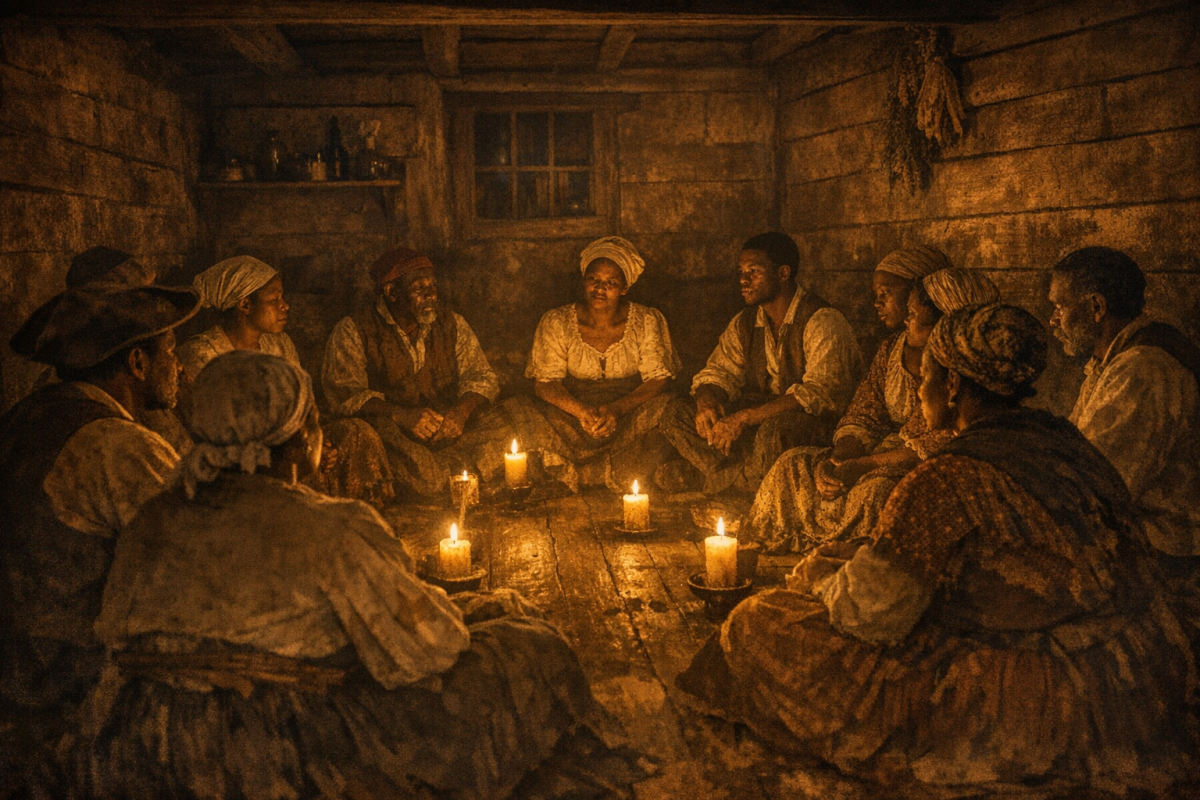
That history gives the word a weight that goes well past music or dancing. The name carries the memory of people who were not free, gathering anyway, in spaces they called by that name.
The origin of a single word matters to a dance because names shape how we see things. Tango was not named by the people who later made it famous in Europe - it was named long before that, in circumstances that were far less glamorous and far more human.
The Río de la Plata - Tango's Birthplace Between Two Countries
The Río de la Plata is a wide estuary that sits between Argentina and Uruguay, and its port cities - Buenos Aires on one side, Montevideo on the other - are where tango took its first steps. In the 1880s, cities were growing fast and pulling in large waves of immigrants from Europe, Africa, and elsewhere.
That combination is what made the region so important to tango's development. Italian and Spanish immigrants brought their music and dances. African descendants contributed rhythm and movement styles that had survived generations. Local working-class communities - like the gauchos of the Pampas region, added their own flavor to the combination. All of these groups were living close together in crowded neighborhoods, and tango grew out of that contact.
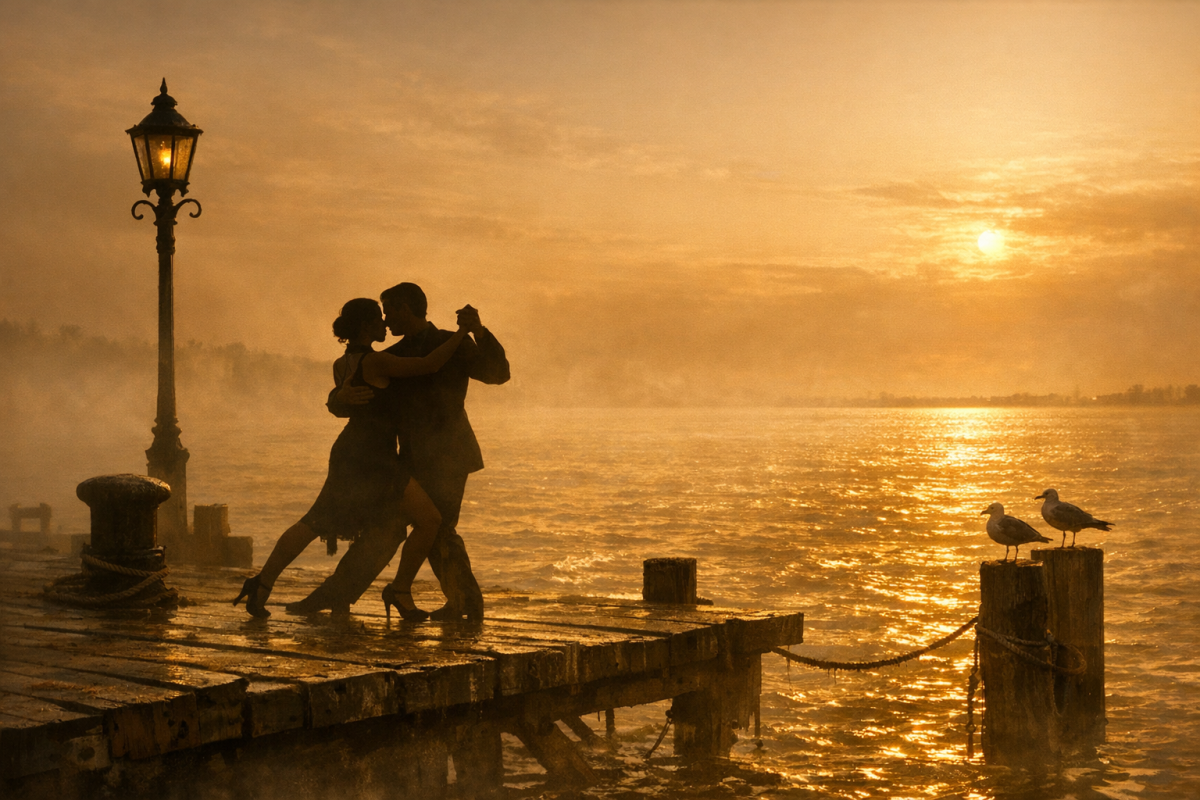
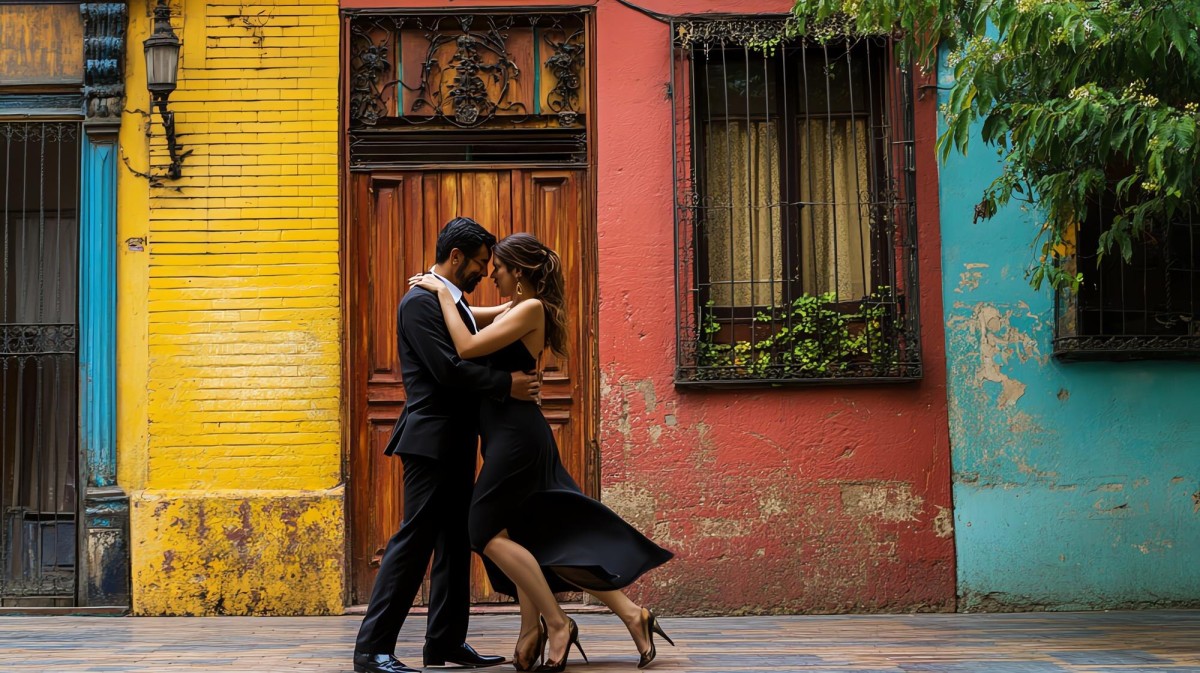
The dance was not polished or refined at the start - it belonged to the working class and it lived in the tenement houses and street corners of port neighborhoods like La Boca in Buenos Aires. These were not glamorous places, which is part of why the upper classes wanted nothing to do with tango early on.
Because tango developed on both sides of the Río de la Plata, Argentina and Uruguay have long claimed it as their own. When UNESCO added tango to its Intangible Cultural Heritage list in 2009, Argentina and Uruguay submitted the proposal together.
Early Tango Music and the Composers Who Shaped It
The music came before the fame. The first tango compositions by known composers were published around 1910, though the music itself had been building in the streets and tenements of Buenos Aires and Montevideo for decades before that.
Early tango was built around a small group of instruments. The guitar and flute were main at first, and the bandoneón - a type of concertina brought over by German immigrants - eventually became the sound associated with tango. The bandoneón gave the music a raw, expressive quality that fit the emotional weight of the dance well.
The music had a few properties that made it distinct from other popular styles of the time. It used a rhythmic pattern called the habanera rhythm, drawn from Cuban music that had traveled through the Atlantic. Melodies tended to be dramatic and expressive, and the tempo left room for the dancers to interpret the music instead of just following it mechanically.
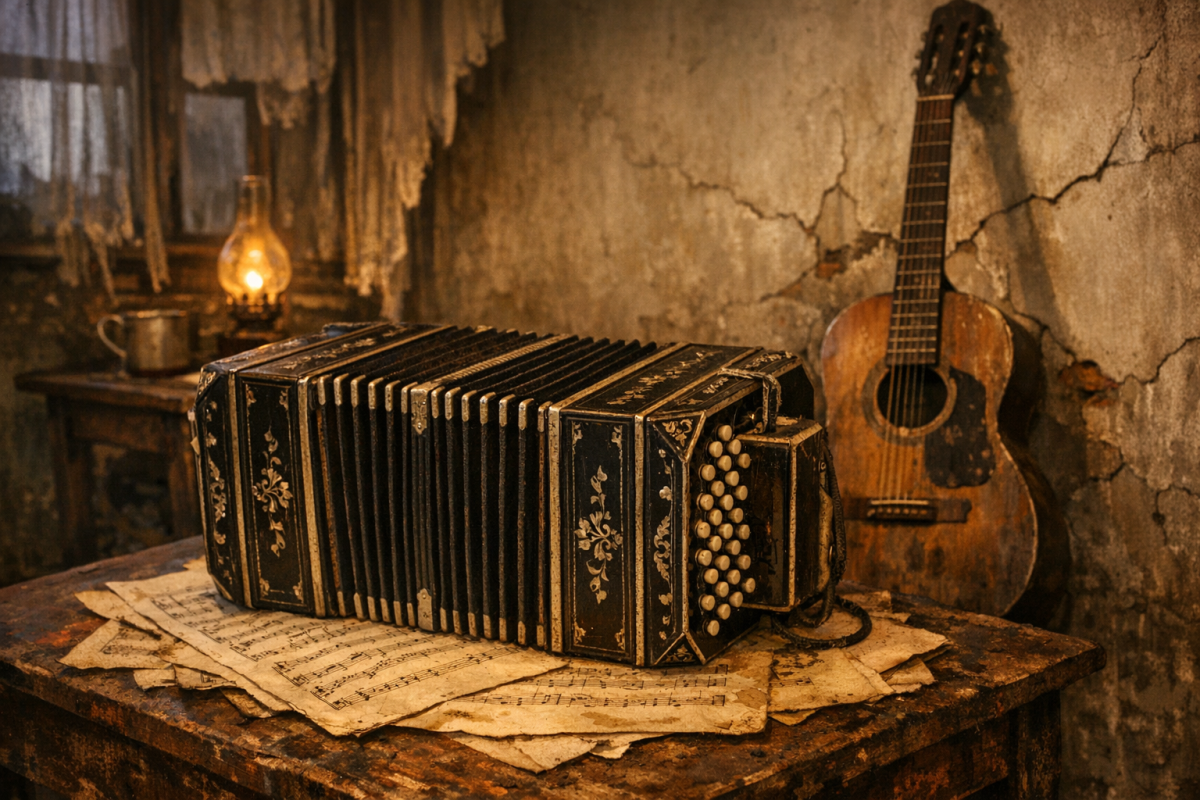
As the music developed, it started to move out of the poorer neighborhoods where it was born. Composers began to write tango pieces down and publish them, which helped the music reach a wider audience across Argentina. Small ensembles called orquestas típicas started performing in more public settings, and tango began to lose its reputation as music for the lower classes.
Music that starts in marginalized communities can become a national symbol - a pattern that applies directly to what came next, because the Golden Age of tango took that to a much bigger scale.
Carlos Gardel, the Golden Age, and Tango Going Global
Carlos Gardel is probably the most important name in tango history. His 1917 recording of "Mi Noche Triste" was the first time tango was performed as a sung genre, and it changed what tango could be. Before that, tango was mostly instrumental. Gardel gave it a voice.
His popularity spread fast across South America and into Europe. He recorded hundreds of songs and even starred in films, which helped carry tango to audiences who had never set foot in Buenos Aires. When he died in a plane crash in 1935, the outpouring of grief across Argentina was immense.
That same year marks the start of what many now call the Golden Age of tango, which ran roughly until 1952. This was the era of the great orchestras - figures like Juan D'Arienzo, Osvaldo Pugliese, and Aníbal Troilo led bands that packed dance halls called milongas every weekend. The music had a strong rhythm that was easy to dance to, and the dancing itself became more refined and socially structured.
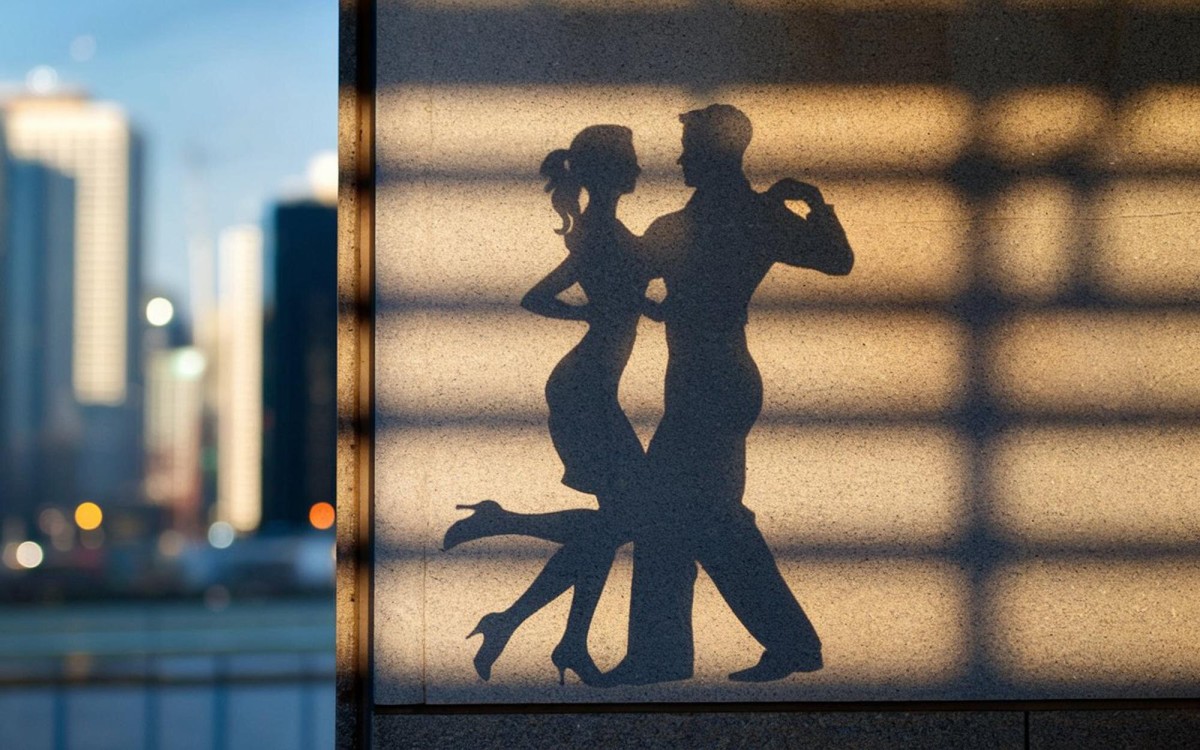
Milongas during this period were social events. People dressed well, followed a floor etiquette, and the invitation to dance was given through a soft look across the room - a tradition called the cabeceo.
Tango also traveled during this time. Paris had already shown an interest in tango decades earlier, and by the Golden Age it had reached New York, Tokyo, and Helsinki. Tango absorbed local influences in some places but never lost its Argentine identity at its core. The footwork, the embrace, and the emotional weight of the music stayed connected to where it came from.
From the Streets of Buenos Aires to a UNESCO World Stage
It says something profound that a dance once banned for being too intimate and improvisational is now a protected treasure of all humanity. Tango survived because it told the truth - about longing, connection, struggle, and joy - in a language that needed no words. That truth never goes out of style. The next time you hear that first, plaintive pull of a bandoneón, you'll know what centuries of history sound like.
If tango has sparked your curiosity and you'd like to learn more or take your first steps on the dance floor, we'd love to hear from you. Email us anytime at YouCanTangoLA@gmail.com or call and text us at 310-562-9340 - we're happy to answer questions, share resources, or help you find your footing in this great dance. Go ahead and look up a tango song tonight. You won't regret it.
